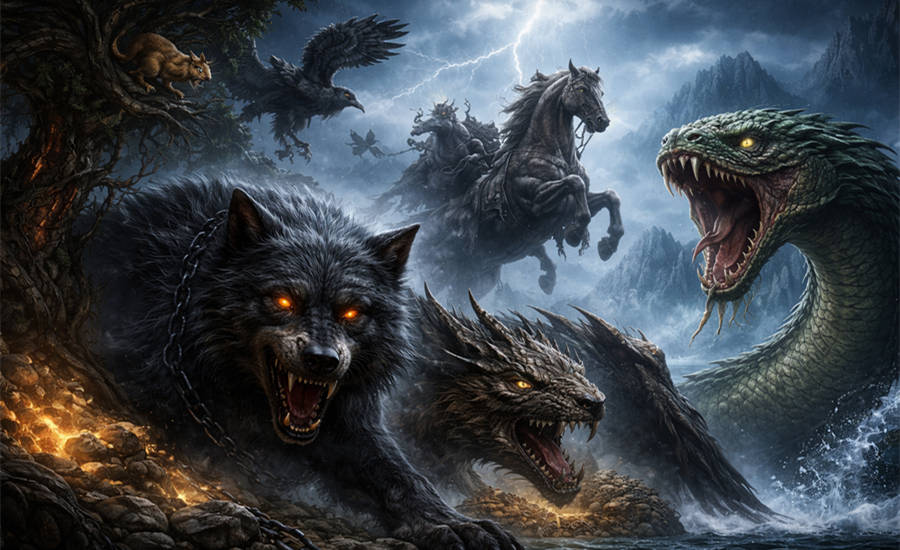
Norse mythology has its famous gods, but the creatures are part of what makes the stories feel so vivid. A giant wolf, a world-serpent, an eight-legged horse, and even a squirrel in the world tree all help create a mythic world that feels wild, eerie, and alive. If you have been searching for Norse mythology creatures, here is a clear guide to the most memorable ones and the role each plays in the old stories.
What Makes Norse Mythology Creatures So Distinct?
Norse mythology creatures rarely feel like random monsters added for drama. Most of them carry a deeper meaning. Some are tied to chaos, greed, death, hunger, or fate. Others are linked to wisdom, memory, sacred power, or the strange movement between worlds. Even the smaller beings often feel symbolic, which is part of why they stay with readers.
They are also woven directly into the mythology itself. These creatures are connected to Odin, Thor, Loki, Yggdrasil, the creation story, and Ragnarök. In other words, they do not just appear in the background. They help define the emotional tone and structure of Norse myth.
The Most Famous Norse Mythology Creatures
This is where Norse mythology gets especially rich. The creatures give the stories scale, atmosphere, and tension. Some are terrifying enough to threaten the gods themselves. Others are quieter but just as memorable because of what they represent. Together, they help make Norse legend feel darker, stranger, and more layered than a simple list of heroes and battles.
Fenrir
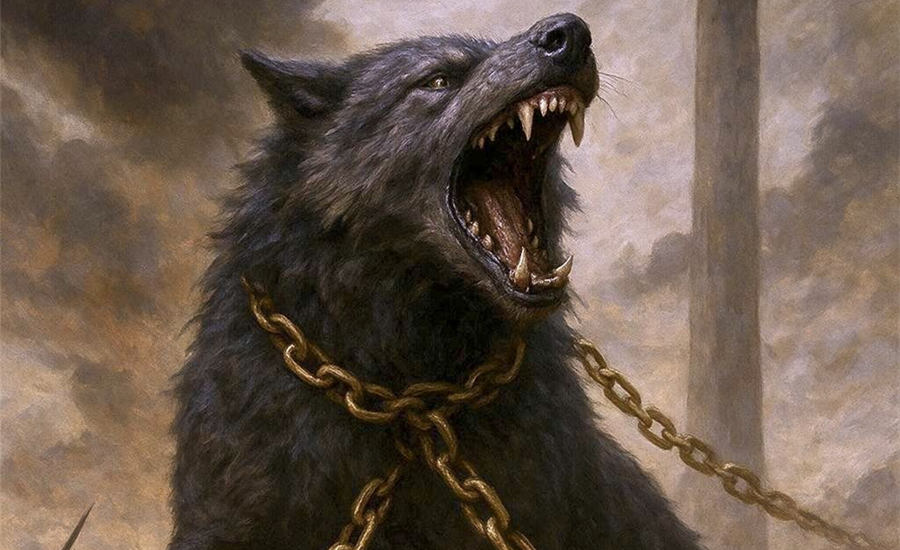
Image source: Pinterest
Fenrir is one of the most feared creatures in Norse mythology, and he earns that place easily. He is the monstrous wolf born to Loki and Angrboða, and from early on the gods see him as a danger they will not be able to control. Their answer is to bind him with the magical fetter Gleipnir, but that only deepens the tragic force of his story.
What makes Fenrir so powerful is that he feels larger than a single beast. He represents dread, prophecy, and the truth that some disasters cannot be prevented forever. In the myths surrounding Ragnarök, he becomes one of the clearest symbols of fate closing in on the gods.
Jörmungandr
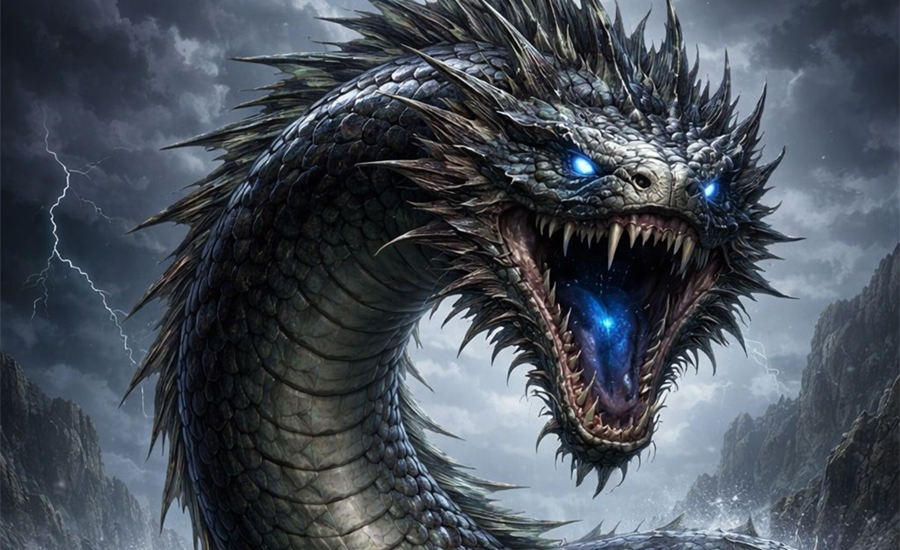
Image source: Pinterest
Jörmungandr, the Midgard Serpent, is the enormous sea serpent that circles the world. He lives in the ocean surrounding Midgard and is described as so vast that he encircles it completely. It is one of the most striking images in Norse mythology, and it immediately gives the stories a cosmic scale.
He is also famous as Thor’s great enemy. Their rivalry gives Jörmungandr a central place in the myths because it feels bigger than a simple fight between hero and monster. He represents danger on a world-sized level, which is exactly why he remains one of the most iconic Norse creatures.
Níðhöggr
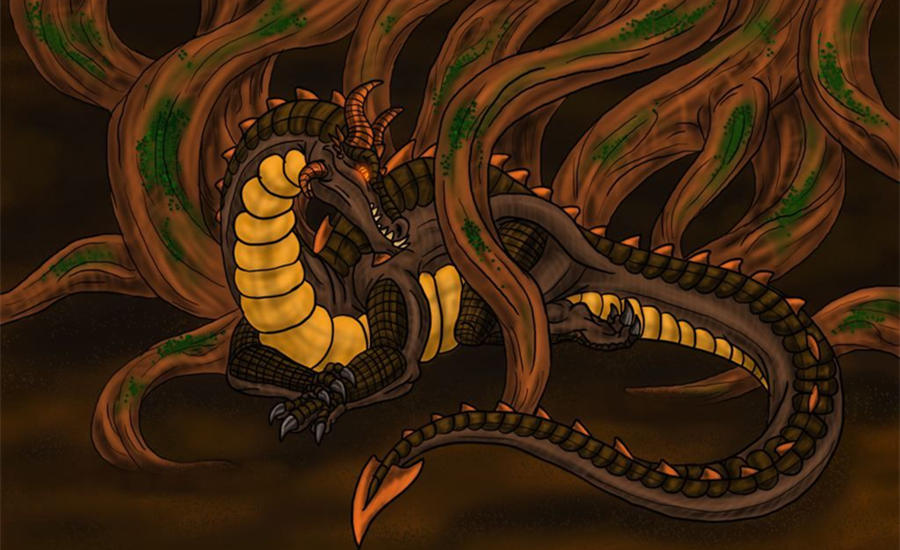
Image source: Pinterest
Níðhöggr is usually described as a dragon or serpent associated with the roots of Yggdrasil, the world tree. Instead of crashing into the story like a battlefield monster, he works from below, gnawing at what holds the cosmos together. That makes him feel unsettling in a different way.
Fenrir and Jörmungandr are dramatic and explosive. Níðhöggr is slower, darker, and more corrosive. He brings the idea that some threats do not arrive all at once. Some wear the world down quietly from underneath, which gives him a haunting place in Norse cosmology.
Fáfnir
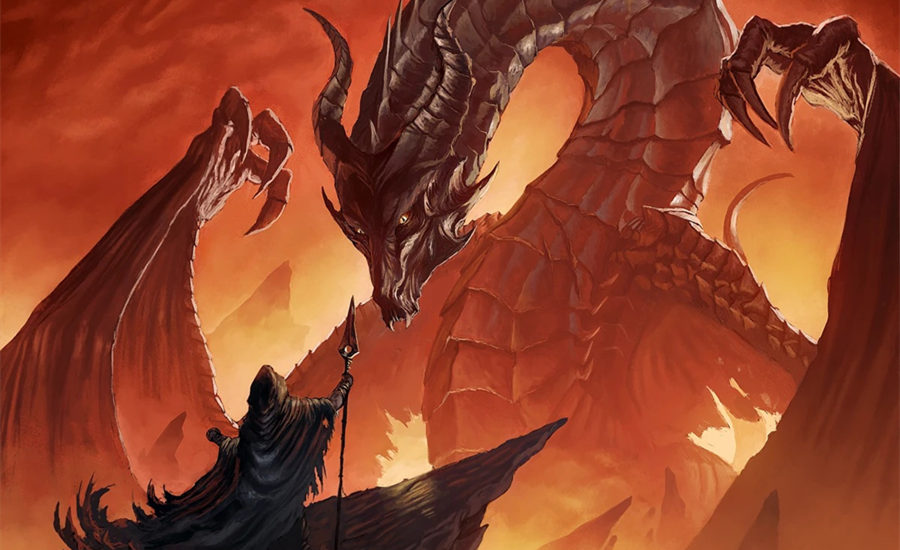
Image source: dragons.fandom.com
Fáfnir is one of the best-known dragons connected to Norse legend, but his story stands out because he was not always a dragon. He is transformed through greed and the corrupting pull of treasure, which gives his tale a more tragic edge than a simple monster story would have.
That is what makes him so memorable. Fáfnir is frightening, but he is also a warning. He shows how obsession with wealth and power can turn someone into something monstrous. In a tradition where cursed treasure and ruin often go hand in hand, he feels especially powerful.
Garmr
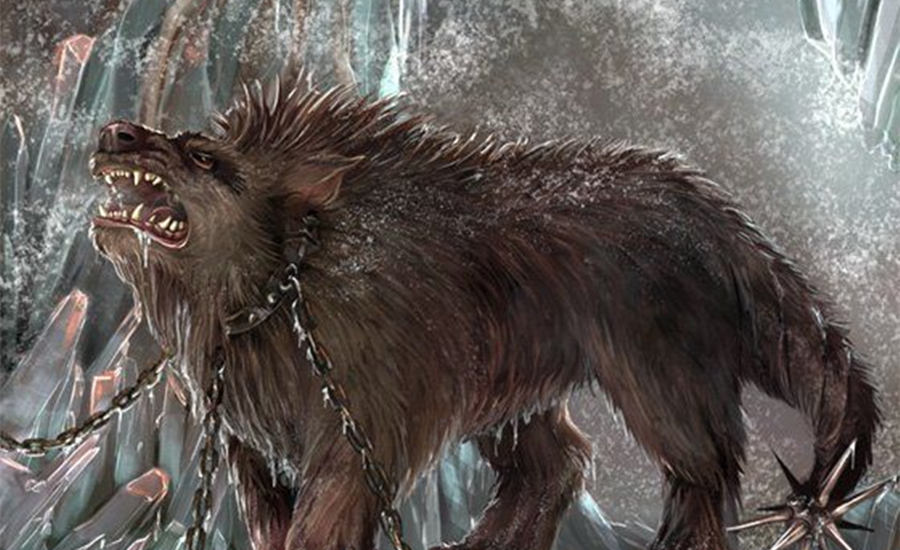
Image source: Pinterest
Garmr is the hound associated with the underworld and with Ragnarök. The surviving references to him are not as full as they are for figures like Fenrir or Jörmungandr, which actually adds to his eerie quality. He appears more like a dark presence at the edge of the known world than a fully explained character.
That sparseness works in his favor. Garmr feels like a creature of thresholds, death, and final reckoning. He helps give Norse mythology its cold underworld atmosphere, where crossing from one realm into another never feels safe or simple.
Draugr
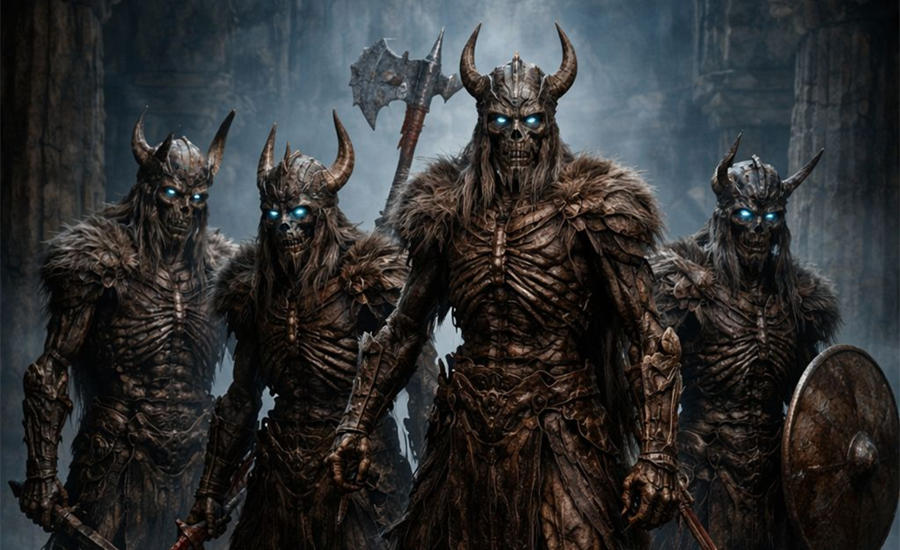
Image source: Pinterest
The draugr belongs more to Norse legend and saga tradition than to the grand cosmic myths, but it still deserves a place here because it is one of the most chilling beings in the wider Norse world. A draugr is an undead revenant, often tied to the grave, buried treasure, or the place it once ruled in life.
What makes the draugr so unsettling is that it is not a mindless horror figure in the modern sense. It carries anger, greed, and force of will into death. That gives it a colder, more intimate kind of fear, one that fits beautifully with the harsh emotional texture of Norse storytelling.
Sleipnir
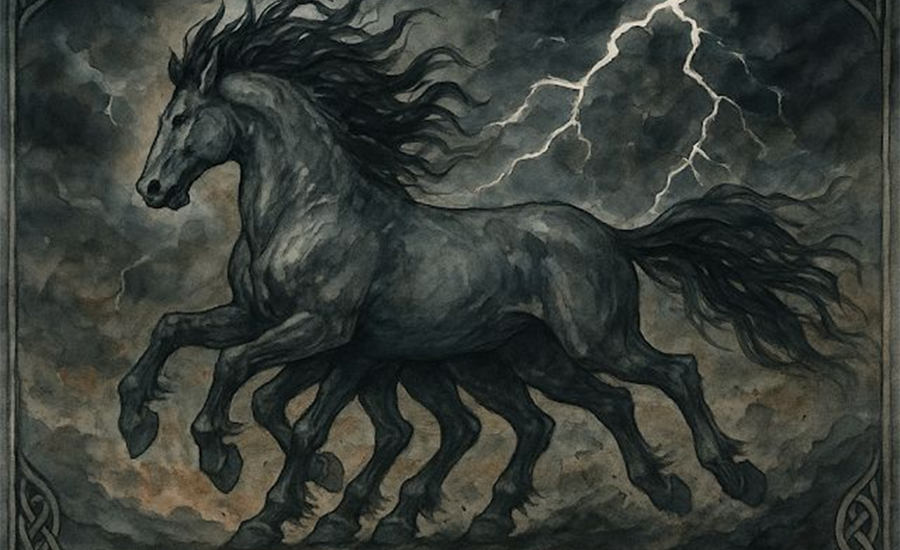
Image source: Pinterest
Sleipnir, Odin’s eight-legged horse, proves that not every unforgettable Norse creature is terrifying. He is strange, supernatural, and instantly recognizable, but he is not presented as a destructive beast. Instead, he belongs to the uncanny, magical side of the mythology.
Sleipnir expands the world of the myths. He suggests movement between realms, divine travel, and a reality that does not follow ordinary rules. He also adds a note of wonder to a tradition often remembered only for violence and doom.
Ratatoskr
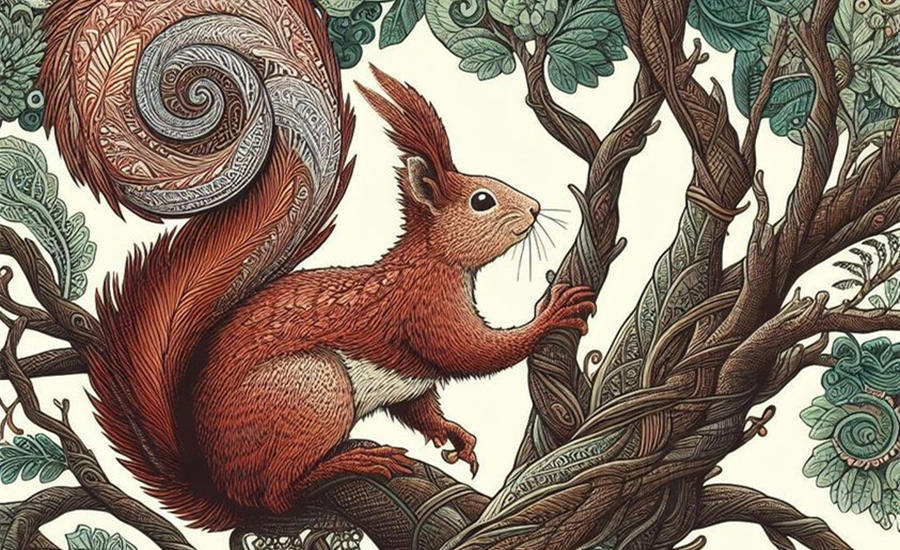
Image source: Pinterest
Ratatoskr is the squirrel that runs up and down Yggdrasil, carrying messages between the eagle above and Níðhöggr below. On paper, he sounds small compared with wolves, dragons, and serpents. In the mythology, though, he gives the world tree personality and tension.
He is often remembered as a troublemaker, passing along insults and helping keep conflict alive. That role makes him more than a decorative detail. Ratatoskr shows how even a small creature can matter in Norse myth when it reflects friction, motion, and the restless energy running through the cosmos.
Huginn and Muninn
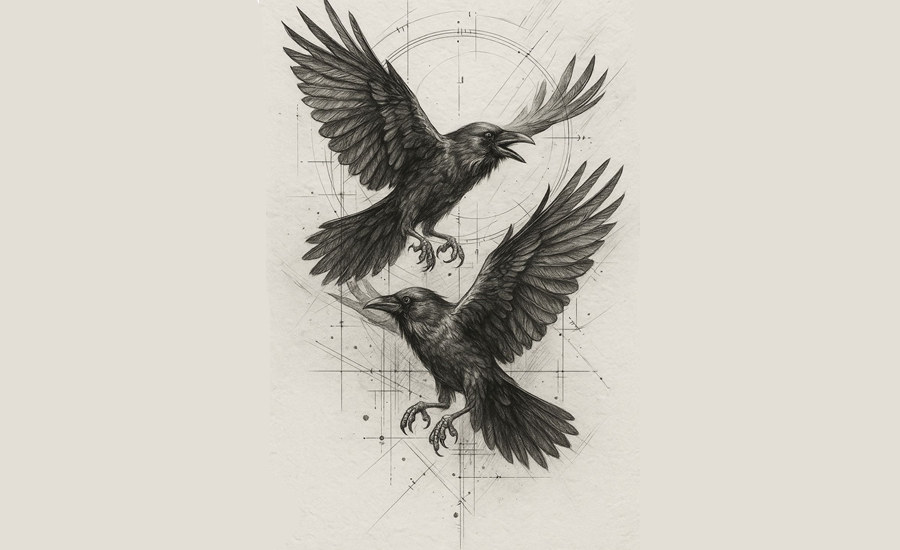
Image source: Pinterest
Odin’s ravens, Huginn and Muninn, are among the most iconic animals in Norse mythology. They fly out into the world and return to Odin with what they have seen and heard. Their names are commonly linked with thought and memory, which makes them feel more symbolic than ordinary birds ever could.
They matter because they show that Norse mythology is not built on brute force alone. It also values awareness, reflection, and knowledge. Huginn and Muninn give Odin reach, but they also give the myths a quieter, watchful intelligence.
Geri and Freki
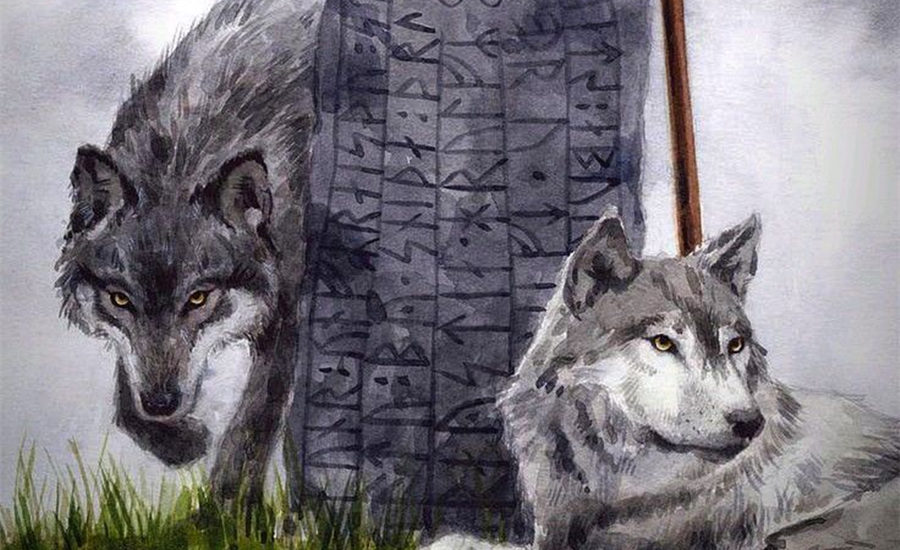
Image source: Pinterest
Geri and Freki, Odin’s wolves, add a harsher edge to his presence. Where the ravens suggest knowledge and perception, the wolves carry associations with hunger, battle, and the wildness that always sits just outside order. They do not dominate the myths with long individual stories, but they strengthen the emotional world around Odin.
That is part of what makes them worth including. Norse mythology often uses animals in layers. A god is not surrounded by just one symbol, but several, each deepening a different side of his character. Geri and Freki help make Odin feel both wise and dangerous.
Gullinbursti
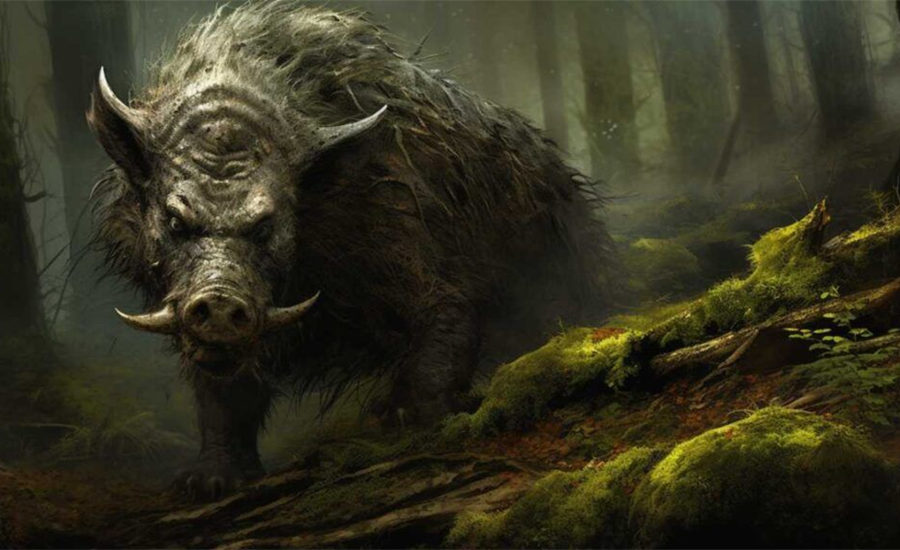
Image source: Pinterest
Gullinbursti, the golden-bristled boar made for Freyr, brings a different kind of energy into the mythology. He is bright, swift, and linked with divine splendor rather than dread. In a creature list filled with darker beings, that shift matters.
He reminds readers that Norse mythology is not only about destruction. It also has room for beauty, craftsmanship, sacred status, and strange wonder. Gullinbursti broadens the picture in a helpful way and keeps the article from collapsing into a list of monsters alone.
Eikþyrnir
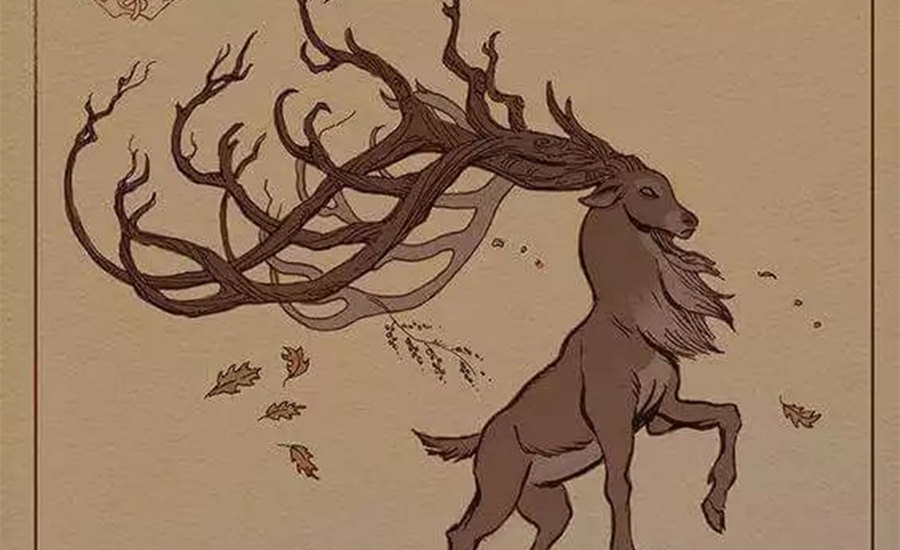
Image source: Pinterest
Eikþyrnir is the stag associated with Valhalla, and he adds a more ceremonial, almost dreamlike note to Norse cosmology. He is not a monster in the usual sense, but he is still part of the living mythic landscape that makes the divine world feel rich and strange.
That is why he works well here. Eikþyrnir shows that Norse creatures are not memorable only when they are frightening. Some matter because they deepen the sacred scenery of the myths and make the larger universe feel more alive.
Auðumbla
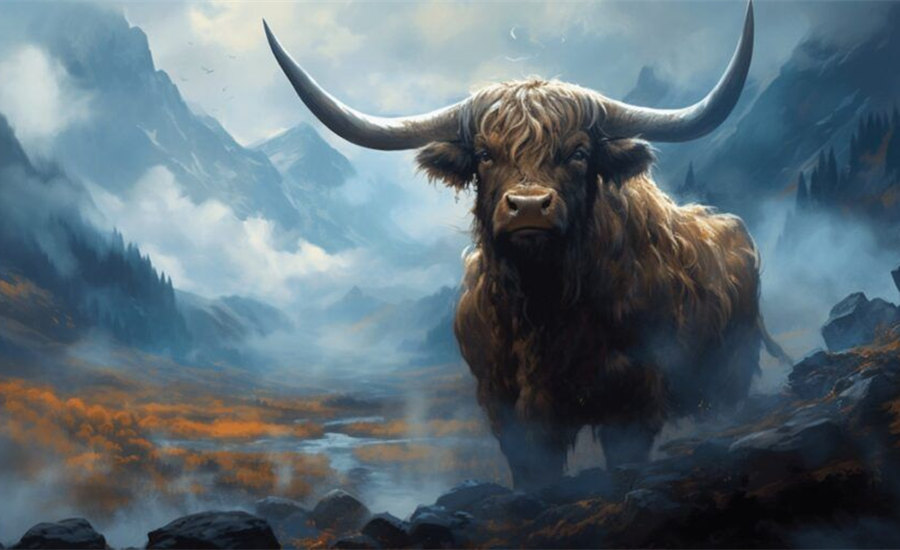
Image source: Pinterest
Auðumbla, the primeval cow, appears in the creation story and is one of the oldest beings in Norse cosmology. She nourishes the giant Ymir with her milk and licks the salty ice until Búri, ancestor of the gods, emerges. That gives her a foundational place in the mythic timeline.
Her presence is especially important because she belongs to the beginning rather than the ending. So many famous Norse creatures are tied to doom and destruction, but Auðumbla belongs to origin, nourishment, and emergence. She gives the mythology more depth and balance.
Hræsvelgr
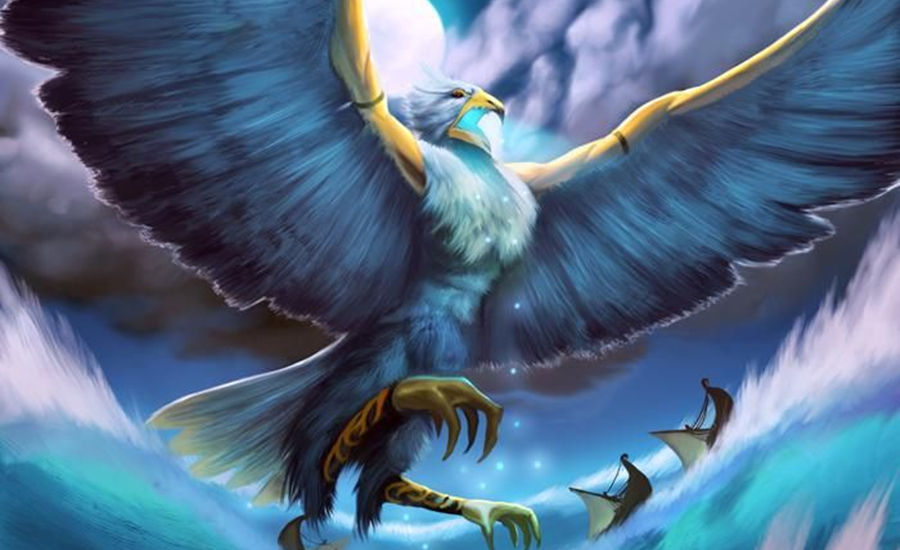
Image source: Pinterest
Hræsvelgr is a giant in eagle form who sits at the edge of the heavens and is said to create the wind with his wings. It is a simple image, but a powerful one. A natural force becomes the action of a colossal mythic being, which is very much in the spirit of Norse storytelling.
He is a good reminder that Norse mythology often animates the world through creature-figures. Wind is not just weather. It becomes presence, motion, and power. Hræsvelgr helps the cosmos feel enormous and alive.
Are All Norse Mythology Creatures Evil?
Not at all. That is one of the biggest misconceptions around this topic. Some creatures are clearly destructive, but others are helpers, messengers, sacred animals, or beings connected with knowledge and movement between worlds. Sleipnir, Huginn and Muninn, Gullinbursti, Eikþyrnir, and Auðumbla all show that the creature-world of Norse myth is much broader than a monster list.
Even the darker beings are not always “evil” in a flat modern sense. Many feel more like forces than villains. Fenrir is terrifying, but he is also tied to prophecy. Jörmungandr is deadly, but he also reflects the vastness of the Norse cosmos itself. That complexity is part of what keeps these myths interesting.
Norse Mythology Creatures and Ragnarök
Ragnarök is one reason these creatures feel so important. Norse mythology is full of tension between order and collapse, and several of its most memorable beings stand right at the center of that struggle. Fenrir and Jörmungandr are the clearest examples, since both are directly tied to the final destruction of the gods’ world.
Garmr also belongs to that atmosphere of last battles and breaking boundaries, while Níðhöggr contributes to the sense that the world is always under strain from below as well as above. Once you notice that pattern, the creatures stop feeling like side characters. They become part of the mythology’s deeper emotional machinery.
Final Thoughts
Norse mythology creatures are a huge part of what makes these old stories so hard to forget. They add fear, beauty, mystery, prophecy, and a sense that the world is always larger than the gods alone. Some threaten creation itself. Others quietly deepen the meaning of the myths around them.
That is what makes this subject so satisfying to explore. Once you look past the famous names of Odin and Thor, you find a world filled with wolves, ravens, serpents, dragons, and stranger beings still. Together, they give Norse mythology its rough, haunting, unforgettable texture.