
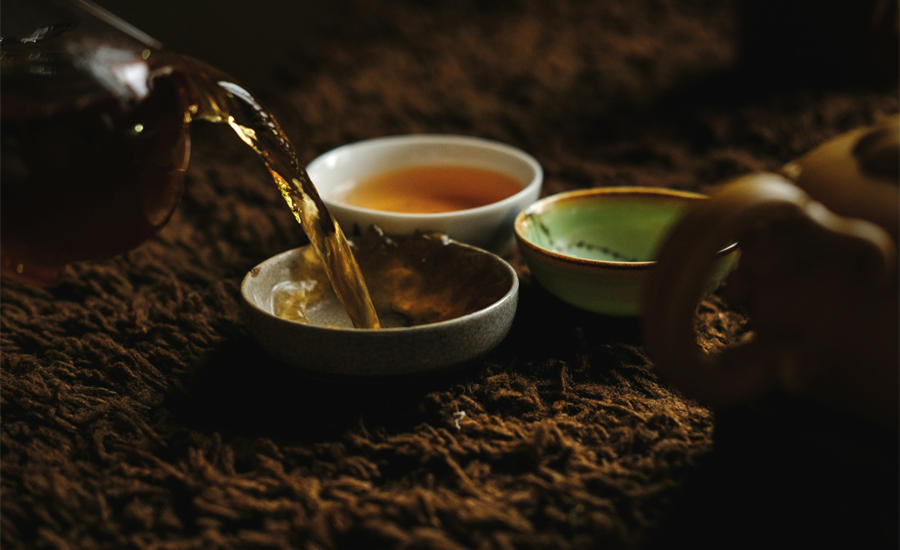
Chinese tea has a wellness reputation that can sound almost too broad to trust. People mention digestion, energy, antioxidants, and daily balance, but they do not always explain what that really means. The more honest answer is that Chinese tea can be a lovely part of a healthy routine, but the experience depends on the tea itself. Green tea, oolong, black tea, white tea, and pu-erh each bring something a little different to the cup.
What Is Chinese Tea?
Chinese tea is not one single drink. It is a wide group of traditional teas made from the Camellia sinensis plant, with different processing methods creating very different results. That is why one Chinese tea can taste light and grassy while another feels deep, earthy, or full-bodied.
The main types most readers will come across are green tea, white tea, oolong tea, black tea, and pu-erh tea. All of them begin with the same plant, but the way the leaves are handled after harvest changes the flavor, aroma, color, and overall feel. In practical terms, that means “Chinese tea benefits” is not really one fixed list. Some benefits are shared across true teas, while others are more about the kind of tea you choose and how it fits into your day.
Chinese Tea Benefits Readers Should Know
It Naturally Contains Plant Compounds That Make Tea Interesting
One reason tea is so often linked with wellness is that it naturally contains polyphenols, including compounds with antioxidant activity. That does not mean tea works like a miracle product. It simply means it is more than flavored water. It is a plant-based drink with compounds that researchers have studied for years, especially in green and black tea.
For everyday readers, the takeaway is simple: unsweetened tea can be a more nourishing-feeling choice than sugary drinks, even when you keep the health claims realistic. Part of its appeal is that it feels gentle and sustainable. You do not have to overhaul your whole life to enjoy a cup of tea that fits well into a balanced routine.
It May Feel Good After Meals
Many people reach for Chinese tea after eating, and that habit makes sense even without dramatic claims. A warm cup of tea can feel settling, light, and clean, especially after a richer meal. Oolong and pu-erh are especially known for this role in tea culture, which is one reason they are often enjoyed later in the day or alongside food.
That does not mean tea should be treated as a fix for ongoing digestive problems. It is better understood as a comforting and supportive habit. Sometimes the “benefit” is simply that a warm, unsweetened tea feels better after a meal than a heavy dessert drink or another sugary soda.
It Can Offer a Steadier Kind of Energy
Chinese tea can also appeal to people who want alertness without the sharper edge that coffee sometimes brings. True teas contain caffeine, but the amount can vary widely depending on the tea, the leaf style, and how strongly it is brewed. For many drinkers, tea feels like a softer lift that works well for reading, working, or easing into the morning.
This is one of the most practical reasons tea becomes an everyday habit. It gives you something noticeable, but not always intense. A fresh green tea may feel bright and clear. A darker black tea may feel more obvious and grounding. Oolong often lands somewhere in the middle, which is exactly why so many people love it.
It Can Support a Better Beverage Routine
Sometimes the real benefit of Chinese tea has less to do with one special compound and more to do with what it replaces. If tea helps you drink fewer sweetened coffees, sodas, or highly flavored bottled drinks, that shift alone can make your routine feel healthier and lighter.
Chinese tea is especially good at filling that middle space. It has flavor, warmth, and ritual, but it does not need to be dessert-like to feel enjoyable. That makes it easier to come back to every day. Healthy habits tend to last longer when they feel comforting instead of restrictive, and tea often fits that idea beautifully.
It Can Contribute to Hydration
Water is still the gold standard for hydration, but unsweetened tea can absolutely count toward your daily fluid intake. That matters because one of the easiest ways to support everyday wellness is simply to drink enough throughout the day. If tea helps you do that more consistently, it earns a place in the conversation.
This is also where tea feels especially realistic as a wellness habit. It is not trying to do everything. It is just a pleasant drink that can help you stay hydrated, give you a bit of caffeine if you want it, and add a calmer rhythm to the day.
It May Be Linked With Heart and Metabolic Health, but the Claims Should Stay Moderate
Tea is often discussed in connection with cardiovascular and metabolic health, and there is a reason for that. Researchers have looked at tea intake in relation to factors such as cholesterol, blood pressure, and long-term disease risk. Even so, the strongest language here should stay careful. Human research is promising in some areas, but it is not strong enough to turn Chinese tea into a cure-all.
The most balanced way to think about it is this: tea can be part of a heart-conscious, lower-sugar lifestyle, especially when it replaces less supportive drinks. That is a meaningful benefit, even if it is quieter than the dramatic claims you sometimes see online.
Do Different Chinese Teas Have Different Benefits?
Yes, and this is where the topic becomes much more useful. All true teas come from the same plant, but they do not feel identical in daily life. Different processing methods change the final tea’s flavor, body, and character, which also shapes why someone might choose one tea over another.
Green Tea
Green tea is often the first tea people think of when health benefits come up. It has a fresh, lighter profile and is closely associated with tea’s antioxidant-rich reputation. It is often a good starting point for readers who want a tea that feels clean, simple, and easy to build into a daytime routine.
Its main strength is not that it does something magical. It is that it feels like a very natural everyday tea. When brewed gently, it can be refreshing, bright, and easy to return to.
White Tea
White tea is softer and more delicate. It appeals to people who want a gentler cup and do not enjoy stronger, more bitter flavors. In wellness terms, white tea often feels less like a “performance” drink and more like a quiet, pleasant habit.
That subtlety is part of the charm. White tea is ideal for readers who want something smooth and light, especially if they are still learning what kinds of tea they enjoy.
Oolong Tea
Oolong sits between green and black tea, and that balance is exactly what makes it so appealing. It often has more body than green tea but still keeps a sense of lift and freshness. For many people, oolong is the tea that feels the most versatile.
It is also commonly associated with post-meal drinking. Whether that becomes your personal experience or simply part of the enjoyment, oolong often feels rounded and satisfying in a way that works beautifully as an everyday tea.
Black Tea
Chinese black tea is richer, darker, and usually more robust in flavor. If you want something that feels fuller and more energizing, black tea may be the most satisfying choice. It is especially helpful for people who are trying to move away from coffee but still want a drink with presence and depth.
Black tea often feels cozy and familiar, which makes it one of the easiest teas to drink regularly. It still carries the plant-based character of tea, but with a stronger voice in the cup.
Pu-erh Tea
Pu-erh is the most distinctive tea in this group. Its aged or fermented character gives it an earthy depth that can feel surprising at first, but it is exactly that depth that many tea lovers enjoy. Pu-erh is often linked with post-meal drinking and with a more grounding tea experience overall.
It is not always the first tea beginners fall in love with, but it can become the most memorable. If you like deeper, warmer flavors and want a tea that feels substantial, pu-erh can be a beautiful fit.
How to Drink Chinese Tea in a Healthier Way
The healthiest approach is usually the simplest one. Drink your tea with little or no added sugar. Pay attention to how caffeine affects you. Choose lighter teas earlier in the day if you are sensitive to stimulation, and do not assume that more tea automatically means more benefit.
It also helps to match the tea to the moment. Green tea can be lovely in the morning or early afternoon. Oolong works well after meals. Black tea makes sense when you want something fuller and more energizing. White tea suits quieter moments, while pu-erh often shines when you want depth and warmth.
Most of all, think in terms of rhythm instead of intensity. Chinese tea tends to be most meaningful when it becomes part of your routine in a natural way. A steady, enjoyable cup you genuinely look forward to will usually do more for your daily life than chasing exaggerated wellness promises ever could.
Conclusion
Chinese tea can absolutely be part of a healthy lifestyle, but its benefits make the most sense when they are framed honestly. It naturally contains plant compounds that make tea nutritionally interesting, it can offer a gentler form of energy than coffee for some people, it can contribute to hydration, and it often supports a calmer daily beverage routine. Those are real strengths, even without overstatement.
You do not need to memorize every tea category or turn tea into a wellness project. Start with the type that sounds most appealing, brew it simply, and let it become part of your day. Often, that is where the real benefit begins: not in a dramatic promise, but in a small habit that feels good enough to keep.