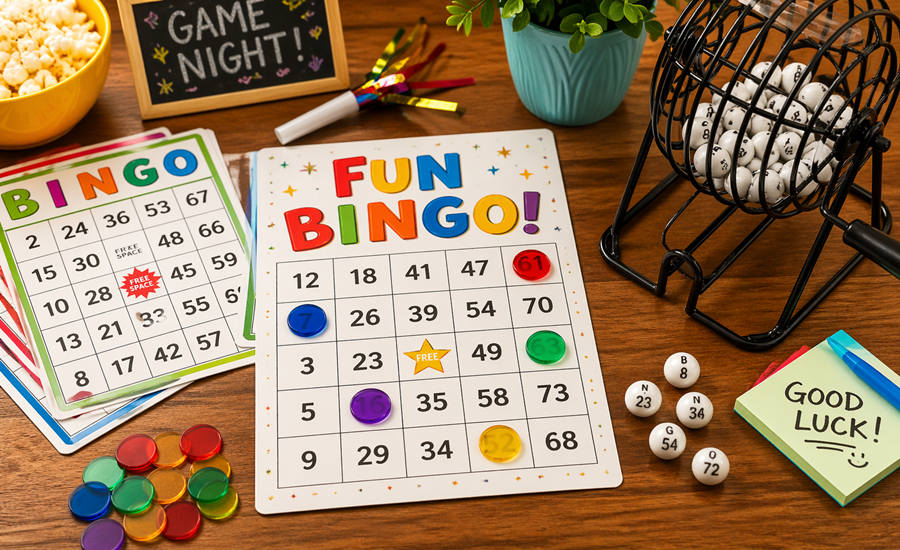
Bingo is familiar for a reason. It is easy to learn, easy to join, and simple to adapt for almost any group. But when every round feels the same, it can lose some of its spark. The good news is that fun bingo does not require a full reinvention. A fresh theme, a smart twist, or a more interactive format can make the game feel lively again.
What Makes Bingo Fun in the First Place?
Classic bingo works because the format is so approachable. Players listen, mark their cards, and wait for the pattern that wins. That simplicity is part of the appeal. It keeps the game accessible for mixed-age groups, casual gatherings, and events where not everyone wants to learn complicated rules.
What makes bingo fun is usually everything built around that simple structure. The right version adds just enough variety to keep people engaged without making the game feel confusing. In most settings, that comes down to a few things: a theme people connect with, a pace that suits the room, and a format that encourages attention and interaction.
Fun bingo usually works best when it includes:
- easy participation, so new players can jump in quickly
- a little suspense, because close calls keep people invested
- enough variety to stop one round from feeling exactly like the last
- some social energy, whether that means laughter, conversation, or friendly competition
That is why the best bingo ideas are not always the most elaborate ones. Often, the strongest version is simply the one that feels right for the group in front of you.
Fun Bingo Ideas to Try for Any Group
Theme Bingo
Theme bingo is one of the easiest upgrades because it instantly gives the game more personality. Instead of feeling like a generic activity, it starts to feel tied to the moment. That could mean holiday bingo, movie night bingo, birthday bingo, seasonal bingo, or a version built around a baby shower or bridal shower.
The theme does a lot of the work for you. It creates a mood, makes the cards feel more thoughtful, and helps the game fit naturally into the event instead of feeling dropped in at the last minute.
Music Bingo
Music bingo swaps out number calls for songs, artists, genres, or lyric clues. It is a strong choice for parties, adult groups, and mixed-age gatherings because it naturally creates conversation. People sing along, laugh at the throwbacks, and get competitive in a way that still feels light.
You can keep it broad with familiar hits or narrow it down with a single decade, genre, or artist. Either way, music bingo tends to feel more social than traditional bingo, which is exactly why it works.
Picture Bingo
Picture bingo replaces numbers with images, which makes the game more visual and often more relaxed. It is especially useful for younger kids, seniors, language learners, and groups that respond better to recognizable pictures than to number-based play.
Animals, foods, holiday icons, flowers, everyday objects, and seasonal images all work well. The format feels softer and more playful, and it is easy to tailor to the setting without losing the simplicity that makes bingo appealing.
Trivia Bingo
Trivia bingo adds a little thinking to the usual format without turning the game into a full quiz. You can ask a question and have players mark the answer if it appears on their card, or build cards around a theme such as books, movies, history, or classroom review topics.
This version works well when you want more mental engagement but still need the activity to stay easy to follow. It is especially effective for school groups, family nights, club events, and team activities where people enjoy a small challenge.
Pattern Bingo
Pattern bingo is proof that a small change can make a big difference. Instead of playing for a straight line every round, you switch the target pattern. An X, four corners, a box, a diamond, or another shape instantly makes the game feel less predictable.
This is one of the simplest ways to refresh bingo because it does not require a whole new format. You can keep the same cards and simply change the goal. That makes it a smart option when you want more excitement without more prep.
Swap Bingo
Swap bingo introduces surprise by asking players to exchange cards at certain moments. You might call for a swap halfway through the round, after a special signal, or between mini rounds. The result is more movement, more reactions, and a little playful chaos.
This idea works best with energetic groups that enjoy spontaneity. It may not suit quieter settings, but for parties and highly social events, it can keep the room alert in a way standard bingo sometimes does not.
Food or Snack Bingo
Food bingo is easy to make charming because the theme already feels familiar and fun. Instead of numbers, the squares might feature desserts, snacks, drinks, favorite comfort foods, or holiday treats. It is a natural fit for brunches, potlucks, family parties, and food-centered gatherings.
The format feels playful without requiring much explanation. It also gives you an easy way to tie prizes, decorations, or party details into the game so everything feels a little more cohesive.
Icebreaker Bingo
Icebreaker bingo is less about luck and more about helping people connect. Each square includes a prompt such as “has traveled to another country,” “loves spicy food,” or “has a pet.” Players move around, meet one another, and fill in their cards by finding people who match those prompts.
This version is especially useful for classrooms, work events, retreats, youth groups, and any setting where people do not know each other well yet. It gives structure to conversation, which helps introductions feel more natural and much less awkward.
Outdoor or Scavenger Hunt Bingo
Outdoor bingo turns the game into something more active. Instead of listening for calls, players look for items or moments that match the squares on their cards. That could include a yellow flower, a bird, a playground slide, a mailbox, or something else that fits the location.
This format works especially well for children, camps, family outings, school groups, and seasonal events. It keeps the familiar bingo framework but adds movement, which is helpful when the group has more energy than patience for sitting still.
Prize Bingo
Prize bingo does not need extravagant rewards to feel exciting. Small treats, stickers, party favors, novelty items, or themed goodies are often enough to raise the energy level. The point is not the value of the prize. It is the extra sense of momentum it brings to the game.
When the reward fits the event, even a simple round feels more memorable. That is often all you need to make people more invested in the next call.
How to Choose the Right Fun Bingo Format
The best bingo format is usually the one that matches the group’s mood, attention span, and setting. That matters more than choosing the most creative idea on the list.
Start with age and comfort level. Younger children often respond well to pictures, movement, and familiar themes. Adults may lean more toward music, trivia, or party-themed formats. Seniors often enjoy versions with clear pacing, familiar references, and easy-to-read cards.
Then think about energy. A calm group may enjoy picture bingo or a themed classic round. A lively room may be better suited to swap bingo, music bingo, or a faster prize-based format. The goal is not to force excitement. It is to choose a version that feels natural for the atmosphere you already have.
Prep time matters too. A simple themed game or a new win pattern can be just as effective as a more customized setup. If the game is easy for you to run, it is usually easier for everyone else to enjoy.
Finally, decide whether you want the game to feel mostly relaxed, mostly social, or lightly competitive. That one choice will often tell you which version makes the most sense.
Simple Ways to Make Any Bingo Game More Exciting
Sometimes the smartest move is not changing the whole game. It is adding one or two small details that make the experience feel fresher.
- Change the winning pattern. Alternate between straight lines, four corners, and simple shapes.
- Keep rounds short. Quicker rounds usually hold attention better than long, dragging ones.
- Add mini prizes. Small rewards between rounds keep energy from dipping.
- Use themed markers. Candy, seasonal tokens, or small paper icons can make the setup feel more special.
- Rotate the caller. A new voice changes the rhythm of the room.
- Add music between rounds. Even a little background music can make the game feel more lively.
- Use one clear twist. Bingo usually works best when it stays recognizable and easy to follow.
The strongest version of fun bingo is usually the one that feels effortless. Too many moving parts can make the game feel busy instead of enjoyable. A couple of thoughtful changes almost always work better.
Conclusion
Fun bingo is not about making the game complicated. It is about making it feel fresh. A simple theme, a different pattern, a music round, a picture card, or a few easy prizes can turn a familiar activity into something people genuinely want to play.
That flexibility is what keeps bingo useful across so many settings. It can be quiet or lively, silly or structured, relaxed or a little competitive. Once you match the format to the group, the game starts to feel less like filler and more like a real part of the event.