An intimate wedding can be every bit as beautiful and memorable as a larger one. Sometimes it feels even more special. With fewer guests and more room for thoughtful choices, couples often have the chance to slow down, stay present, and create a celebration that feels deeply personal from beginning to end.
What Is an Intimate Wedding?
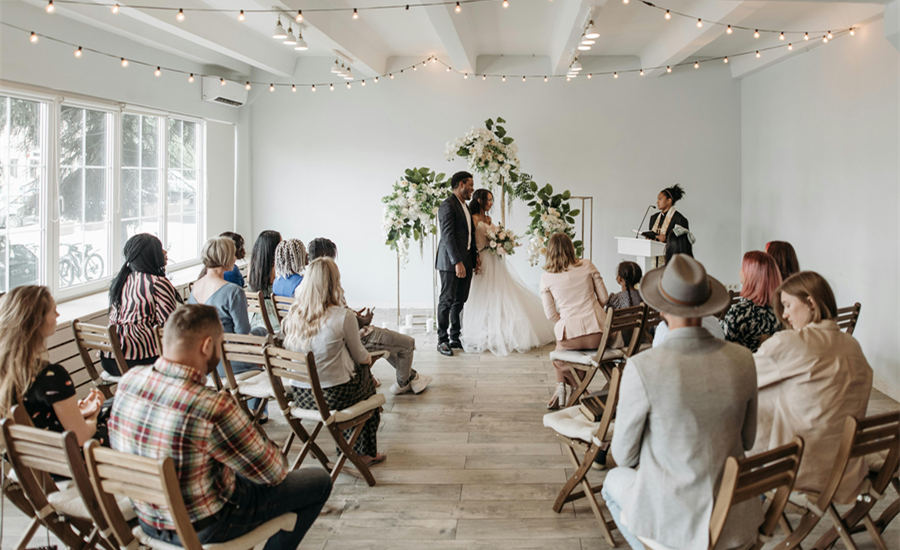
An intimate wedding is usually a smaller celebration built around closeness, intention, and a more personal atmosphere. Instead of planning for a large crowd, the focus stays on sharing the day with the people who matter most. That shift changes more than the guest count. It often changes the tone of the ceremony, the pace of the day, and the way guests experience the celebration.
For some couples, an intimate wedding means a candlelit dinner with a few dozen guests. For others, it means a garden ceremony, a private dining room at a favorite restaurant, or a beautifully styled gathering at home. The exact size may vary, but the heart of it is the same: the day is designed to feel personal rather than oversized.
That is also why an intimate wedding is more than just a smaller wedding. The number of guests matters, but the feeling matters just as much. A celebration with fewer people can still feel rushed or impersonal. An intimate wedding is usually planned with more care around connection, atmosphere, and meaningful details.
How Many Guests Does an Intimate Wedding Usually Have?
There is no single number that defines an intimate wedding. In most cases, people use the term for weddings with a noticeably smaller guest list than a traditional large celebration. Many intimate weddings land somewhere around a few dozen guests, but the right size depends on the couple, their families, and the kind of experience they want to create.
What matters most is not hitting a perfect number. It is choosing a size that supports the kind of day you actually want. If you want time for conversation, a relaxed meal, and a setting where everyone feels included, a smaller guest list usually makes that much easier.
It also helps to think beyond the number itself. Ask whether you want the day to feel like a dinner party, a romantic weekend gathering, a polished but low-pressure event, or a quiet ceremony followed by a beautiful meal. That vision often tells you more than any strict guest-count rule.
How to Plan an Intimate Wedding Without Losing What Makes It Special
Start With the Feeling You Want
Before choosing flowers, rentals, or menu cards, decide what kind of experience you want to create. This is one of the most useful places to begin because the mood of the day influences nearly every other decision. You may want your wedding to feel candlelit and romantic, airy and elegant, relaxed and outdoorsy, or more like a beautiful dinner party than a traditional production.
That emotional direction gives the day structure. It helps you choose the right venue, the right time of day, the right style of meal, and even the right guest count. A couple planning a slow evening celebration will make different choices from a couple planning a polished daytime garden wedding, even if both weddings are equally intimate.
When the atmosphere is clear from the beginning, the details usually feel more cohesive. Instead of collecting ideas that do not quite belong together, you are shaping a day with a clear point of view.
Keep the Guest List Thoughtful
The guest list is often the decision that defines an intimate wedding most clearly. A smaller celebration works best when the people in the room genuinely fit the experience you want to create. That usually means inviting the people who are truly part of your life and relationship, not simply the people you feel pressure to include.
A helpful way to build the guest list is to start with your inner circle first. That may include immediate family, closest friends, and a few people whose presence would genuinely shape the day in a meaningful way. From there, it helps to ask a simple question with every added name: does this person belong in the version of the wedding we are trying to create?
This part is not always easy. Family expectations, long histories, and guilt can make a small guest list feel more complicated than it looks on paper. But intimate weddings tend to lose their purpose when the list grows from pressure instead of intention. Staying clear about your priorities protects the atmosphere you wanted in the first place.
It also helps to think about the event as a whole, not just the ceremony. A smaller guest list changes the dinner, the seating, the conversations, the photos, and the overall energy in the room. That is why it deserves careful thought early on.
Choose a Venue That Fits the Atmosphere
One of the biggest advantages of an intimate wedding is the range of venue options it opens up. You are not limited to large spaces designed to hold a crowd. Instead, you can consider places with more warmth, more character, and a stronger sense of place.
Private dining rooms, boutique hotels, gardens, greenhouses, courtyards, family properties, cabins, beach houses, and smaller estates can all work beautifully. These spaces often feel more inviting from the start, which means you may need less decor to create a memorable setting.
The most important thing is to choose a venue that feels right at your size. Intimate weddings usually look and feel best in spaces that seem comfortably full rather than visually empty. A well-scaled room often feels more elegant than a much larger venue that makes a smaller guest list look scattered.
It is also worth noticing how a space supports guest interaction. Since intimate weddings are built around closeness, venues that naturally encourage people to gather, talk, and settle in tend to work especially well.
Build a Timeline That Feels Relaxed
One reason intimate weddings leave such a strong impression is that they often allow for a more natural pace. Instead of packing the day with too many formalities, couples can create a timeline with room for presence, conversation, and quieter moments that would be harder to find in a larger event.
That might mean a slower morning, a private first look, a ceremony without too many transitions, or a reception built around one beautiful meal rather than a packed sequence of events. It may also mean letting go of traditions that do not really fit the size or tone of the day.
A relaxed timeline does not make a wedding feel less important. In many cases, it does the opposite. When no one is being rushed from one moment to the next, the celebration often feels more polished, more comfortable, and more emotionally grounded.
It helps to think about where you want the energy to rise and where you want it to soften. An intimate wedding usually benefits from gentle structure: enough to guide the day well, but not so much that every moment feels over-managed.
Focus on Details Guests Will Actually Feel
At a smaller wedding, details tend to matter more because guests experience them more directly. That is why it often makes sense to focus on the elements that shape the atmosphere in a real way instead of trying to add too many extras.
Food is one of the clearest examples. A thoughtful meal can become a central part of the celebration, especially when guests are sharing one table or lingering over dinner together. Lighting matters too. Candlelight, soft overhead lighting, and a warm evening setting can change the entire mood of the space. Seating plays a similar role. A layout that encourages closeness and conversation can make the reception feel connected from the start.
Personal vows, meaningful music, carefully chosen table settings, handwritten place cards, and a menu that reflects the couple’s tastes often leave a stronger impression than a long list of decorative additions. These choices work because they are felt, not just seen.
This is where intimate weddings often shine. Fewer guests can mean more attention to the guest experience. Instead of spreading your energy across a much larger event, you can put it into a smaller number of details that genuinely shape the day.
Intimate Wedding Ideas That Make the Day Feel Personal
The best intimate wedding ideas are usually the ones that make the celebration feel more personal, not more complicated. A smaller guest count gives you room to think less about managing a crowd and more about creating a beautiful experience.
- Plan a family-style dinner. Shared dishes and a slower meal can make the reception feel warm, generous, and connected.
- Use one long reception table. This instantly creates closeness and gives the room a more intentional look.
- Write handwritten notes for each guest. Even a short note can make people feel genuinely included in the meaning of the day.
- Create custom ceremony wording. A more personal ceremony often feels especially powerful in a smaller setting.
- Exchange private vows before the ceremony. This can add another layer of intimacy without changing the main event.
- Serve food that reflects your story. Favorite dishes, regional flavors, or meaningful desserts can make the celebration feel more personal.
- Choose live acoustic music or a softer playlist. Smaller weddings usually benefit from music that supports the mood instead of overpowering it.
- Host the wedding somewhere meaningful. A place tied to your relationship can make the day feel naturally special.
- Lean into a dinner-party atmosphere. Candlelight, layered table settings, and thoughtful hospitality can feel elegant without becoming stiff.
What connects these ideas is not extravagance. It is intention. The goal is not to prove that a smaller wedding can compete with a larger one. The goal is to create a celebration that feels beautiful, thoughtful, and true to the couple at the center of it.
Best Venues for an Intimate Wedding
Some venues naturally suit intimate weddings because they already feel personal and inviting. Private dining rooms are one of the strongest options for couples who want something stylish and easy to manage. They often come with built-in atmosphere, strong food, and fewer moving parts than a traditional venue.
Backyards and family properties can also work beautifully, especially for couples who want the setting to carry personal meaning. They often feel relaxed and distinctive in a way that more traditional wedding spaces do not. Gardens and greenhouses are another lovely choice when you want softness, romance, and a setting that does not need much extra styling.
Boutique hotels and inns work well for couples who want something elevated without making the celebration feel oversized. Beach houses, mountain lodges, cabins, and smaller estates can create the feeling of a beautiful gathering instead of a formal production. Art galleries and design-forward indoor spaces are also worth considering if visual atmosphere matters to you.
The best venue is usually the one that fits your guest count naturally and already supports the mood you want. That matters more than choosing the most traditional option.
How to Create an Intimate Wedding on Different Budgets
An intimate wedding can help couples spend more intentionally, but it does not automatically mean the day will be inexpensive. A smaller guest list often changes how the budget works rather than simply shrinking every cost.
Some couples save by choosing a simple setting, limiting rentals, shortening the timeline, or hosting the celebration at home or in a restaurant. Others use the smaller guest count as an opportunity to spend more on the parts that matter most to them, whether that means exceptional food, stronger photography, elevated florals, live music, or a venue with real character.
That flexibility is part of the appeal. When fewer people are being hosted, it may feel easier to prioritize quality over quantity. Instead of stretching the budget across a much larger event, you can shape the experience with more care. That might mean fewer floral arrangements but better ones, a smaller menu done beautifully, or a table design that feels far more considered.
The clearest way to approach the budget is to decide early what will make the wedding feel special to you. Once you know that, it becomes easier to save in areas that matter less and spend more confidently in the places that truly shape the experience.
Intimate Wedding vs Micro Wedding: What’s the Difference?
The terms intimate wedding and micro wedding are often used almost interchangeably, which is why they can feel confusing. In everyday use, both usually refer to smaller weddings with fewer guests and a more personal atmosphere.
When people do draw a distinction, a micro wedding is often described as especially small, while an intimate wedding may be used a little more broadly. Still, the definitions are not consistent across planners, venues, or publications, so there is plenty of overlap.
For most couples, the label matters less than the experience itself. If the celebration is centered on meaningful connection, a smaller guest list, and a more intentional atmosphere, it already captures what most people are looking for when they search for an intimate wedding.
Conclusion
An intimate wedding is not about doing less in a disappointing way. It is about choosing what matters most and giving it more room to be experienced. With the right guest list, setting, and details, a smaller celebration can feel deeply beautiful, personal, and unforgettable. For couples who care more about connection than scale, it can be one of the most meaningful ways to get married.