A weighted blanket can sound comforting right away, but choosing one is not always as straightforward as people expect. You may be wondering whether it really helps, how heavy it should feel, or if it will end up too warm to use. The simplest way to think about it is this: a weighted blanket is a comfort product, and the right one should feel calming, manageable, and easy to live with.
What Is a Weighted Blanket?
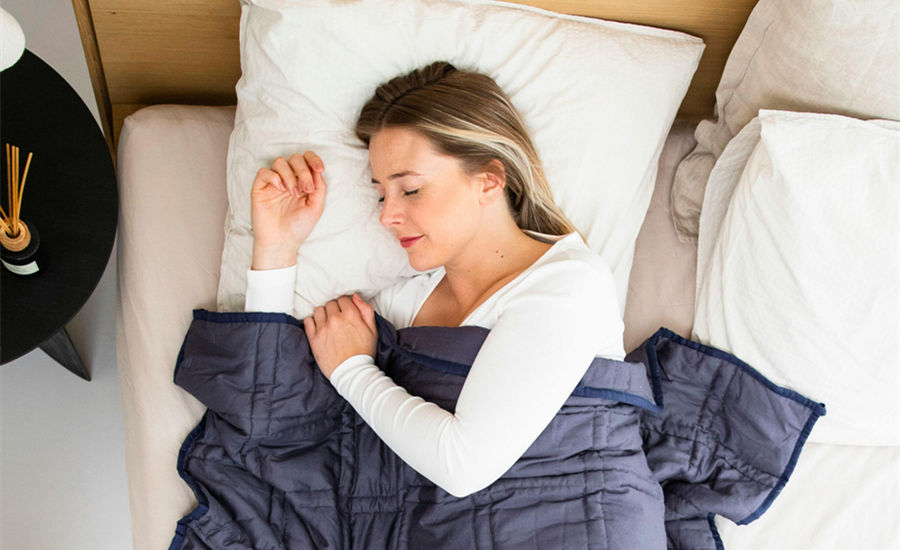
A weighted blanket is a blanket made with extra weight built into it, usually through small glass beads or similar filling stitched into evenly spaced sections. That added weight changes the feel of the blanket in a noticeable way. Instead of only giving you warmth, it also creates gentle, steady pressure across the body.
That is why weighted blankets feel different from a regular throw or comforter. Some people love the grounded, tucked-in sensation right away. Others find it unfamiliar at first. It is less about luxury and more about whether that heavier feel makes you more comfortable when you are trying to relax.
Weighted blankets are often used at night, but plenty of people also use them while reading, watching TV, or winding down after a busy day. At their best, they add a little more comfort and calm to the parts of the day when you want your body to slow down.
What Are the Benefits of a Weighted Blanket?
They may make bedtime feel calmer
One reason people are drawn to weighted blankets is that they can make the transition into rest feel gentler. If bedtime often feels restless or your mind and body take a while to settle, the added pressure may help the whole routine feel quieter and more grounded. For some people, that change is enough to make evenings feel easier.
The benefit here is usually subtle, not dramatic. A weighted blanket is not meant to knock you out or instantly fix a rough sleep schedule. It is more like a comfort cue that can make your bedtime setup feel more supportive.
Some people find them soothing during stressful stretches
Weighted blankets are also popular with people who want their evenings to feel less tense. The gentle pressure can feel reassuring, especially after a long or overstimulating day. Some people like using one before bed because it helps them shift out of go-go-go mode and into a slower rhythm.
If you want a grounded overview of the current evidence, Cleveland Clinic explains the possible benefits and the limits clearly. That balance matters because the appeal of a weighted blanket is real, but the research is still developing.
They work best as a comfort tool, not a cure
This is the most important expectation to get right. A weighted blanket can be a helpful part of a calming routine, but it is not a treatment plan for anxiety and it is not a guaranteed solution for insomnia. If sleep problems are persistent or severe, a blanket alone is unlikely to address the bigger issue.
That does not make it a gimmick. It just means its value is usually practical and personal. If the sensation suits you, it can become one of those simple home comforts that you reach for often. If it does not, no amount of hype will make it feel right.
How to Choose the Right Weighted Blanket
Start with a weight that feels easy to use
The first thing most people look at is weight, and that makes sense because it shapes the entire experience. A common starting point is around 10% of your body weight, but that is only a guideline. Comfort comes first.
If you are trying a weighted blanket for the first time, going a little lighter is often the smarter choice. It should feel gently grounding, not difficult to shift under or remove. If it feels overwhelming from the start, it is probably not the right weight for you.
Choose a size that fits your body, not just your bed
Many people assume they should shop for a weighted blanket the same way they shop for regular bedding, but that can lead to a size that feels awkward. A weighted blanket is usually meant to cover your body rather than spill over the sides of the mattress like a comforter.
That is why a smaller size often feels better than people expect. It keeps the weight where you want it instead of spreading it out too much. If you share a bed, it is also worth being realistic about whether this is actually a shared blanket or more of a personal one.
Pay close attention to fabric and temperature
Fabric matters just as much as weight. If you sleep warm, a breathable option like cotton or bamboo-style fabric will usually feel more comfortable than anything thick or plush. If your favorite part of bedtime is feeling warm and tucked in, a softer, cozier fabric may be more your style.
The best choice depends on how you really sleep, not on which product photo looks nicest. A blanket that feels too hot in the middle of the night will not matter much if it looked beautiful when you ordered it.
Do not overlook washability
Care instructions are easy to ignore while shopping, but they matter a lot once the blanket is actually in your home. Weighted blankets are bulkier and heavier than standard throws, so a removable cover or clear washing instructions can make a big difference.
If you plan to use it often, choose something that fits your routine. A blanket that feels lovely but is annoying to clean may not stay in regular rotation for long.
Who Might Like a Weighted Blanket Most?
A weighted blanket often feels like a natural fit for people who already enjoy a snug, cozy sleep setup. If you like layered bedding, prefer a tucked-in feeling, or want your evenings to feel a little more grounded, this kind of blanket may suit you well. It can also appeal to people who want a more intentional wind-down routine instead of a bedtime setup that feels rushed or unfinished.
On the other hand, it may not be your style if you sleep hot, dislike any sense of restriction, or prefer bedding that feels light and airy. That is not a flaw in the product or in your preferences. It simply means comfort is personal, and not every version of comfort works for every person.
Who Should Be Careful With a Weighted Blanket?
Safety matters more than trend. A weighted blanket should never feel hard to remove, hard to breathe under, or physically stressful to use. If you have concerns related to breathing, mobility, circulation, or another health issue that could make added pressure uncomfortable, it is wise to check with a clinician before using one regularly.
The same goes for buying one for someone else. If you are considering a weighted blanket for a child, an older adult, or someone with health concerns, comfort and ease should come first. If sleep issues are ongoing and feel bigger than a bedding problem, the American Academy of Sleep Medicine’s patient resources are a more useful place to start than product shopping alone.
Final Thoughts on Buying a Weighted Blanket
A weighted blanket can be a genuinely nice comfort item when the fit is right. The best one is not the heaviest, the trendiest, or the most expensive. It is the one that feels good on your body, suits the way you sleep, and is easy enough to use that it becomes part of your routine instead of another thing you regret buying.
If that sounds appealing, keep your expectations simple. Look for comfort, not perfection. A weighted blanket does not need to transform your life to be worth having. Sometimes it only needs to make the end of the day feel a little softer.