Need a quick cup to grams conversion? The tricky part is that there is no single answer for every ingredient. A cup measures volume, while grams measure weight, so 1 cup of flour will not weigh the same as 1 cup of sugar, oats, or butter.
This guide keeps it simple. You will find a practical conversion chart for common ingredients, an easy breakdown of popular cup fractions, and a few quick tips to help your recipes turn out more consistently.
Cup to Grams Conversion Chart for Everyday Ingredients
The fastest way to use this page is to find your ingredient first, then match your recipe’s cup amount to the gram weight. These are everyday kitchen reference weights for common baking and cooking ingredients.
Flour
| Ingredient | 1 Cup |
|---|---|
| All-purpose flour | 120 g |
| Bread flour | 120 g |
| Cake flour | 120 g |
| Whole wheat flour | 113 g |
Flour is usually the ingredient people want first, and it is also one of the easiest to mismeasure. A scooped cup of flour can come out noticeably heavier than a spooned and leveled cup, which is why gram measurements are especially helpful in baking.
Sugar
| Ingredient | 1 Cup |
|---|---|
| Granulated sugar | 198 g |
| Brown sugar, packed | 213 g |
| Powdered sugar, unsifted | 113 g |
Sugar looks straightforward, but the texture matters. Granulated sugar, packed brown sugar, and powdered sugar all behave differently in a measuring cup, so it helps to use the exact conversion for the type your recipe names.
Baking Staples
| Ingredient | 1 Cup |
|---|---|
| Butter | 227 g |
| Cocoa powder | 84 g |
| Honey | 336 g |
| Peanut butter | 270 g |
This is where weighing becomes especially practical. Sticky ingredients like honey and peanut butter are awkward to measure neatly by volume, and even a small difference can change the texture of a frosting, filling, or batter.
Grains and Pantry Basics
| Ingredient | 1 Cup |
|---|---|
| Rolled oats | 89 g |
| White rice, dry | 198 g |
| Almond flour | 96 g |
| Cornstarch | 112 g |
Pantry staples often look similar in the cup but differ quite a bit by weight. A cup of oats is much lighter than a cup of rice, and cornstarch is not interchangeable with flour when you are converting a recipe.
Liquids
| Ingredient | 1 Cup |
|---|---|
| Water | 227 g |
| Milk | 227 g |
| Vegetable oil | 198 g |
Liquids are often easier to work with, but they are still not identical. Water and milk are close in weight, while oil is lighter, so using the right conversion still matters.
As a general rule, treat these numbers as reliable kitchen references rather than absolute scientific constants. Ingredient brand, grind, moisture level, and measuring style can create small differences.
The Most Common Cup Fractions to Convert
Once you know the gram weight for 1 cup of an ingredient, the smaller amounts get much easier. These are the cup fractions that show up most often in everyday recipes.
| Amount | All-Purpose Flour | Granulated Sugar | Butter |
|---|---|---|---|
| 1 cup | 120 g | 198 g | 227 g |
| 3/4 cup | 90 g | 149 g | 170 g |
| 2/3 cup | 80 g | 132 g | 151 g |
| 1/2 cup | 60 g | 99 g | 113 g |
| 1/3 cup | 40 g | 66 g | 76 g |
| 1/4 cup | 30 g | 50 g | 57 g |
| 1 tablespoon | 8 g | 12 g | 14 g |
This section is especially useful when a recipe calls for a smaller amount and you do not want to stop and calculate from scratch. It also helps when you are doubling, halving, or adjusting a recipe on the fly.
For example, if 1 cup of all-purpose flour is 120 grams, then 1/2 cup is 60 grams and 1/4 cup is 30 grams. If 1 cup of butter is 227 grams, then 1/2 cup is 113 grams and 1 tablespoon is about 14 grams. Once the full-cup reference is right, the rest becomes much easier.
US Cup vs Metric Cup Differences
One detail that catches people off guard is that not every recipe uses exactly the same cup standard. In many U.S. recipes, 1 cup is treated as about 240 milliliters. Some non-U.S. recipe systems use a metric cup that is slightly different.
That gap may not matter much in a casual soup or sauce, but it can matter more in baking, especially in recipes that use several cups of flour or liquid. If you have ever followed a recipe carefully and still felt like the texture was a little off, this may be part of the reason.
When a recipe includes grams, that usually solves the problem immediately. Weight is more consistent than volume, so you are not left wondering whether your measuring cups match the recipe developer’s standard.
Simple Tips for Converting Cups to Grams More Accurately
A good conversion chart helps, but a few kitchen habits make the results even better.
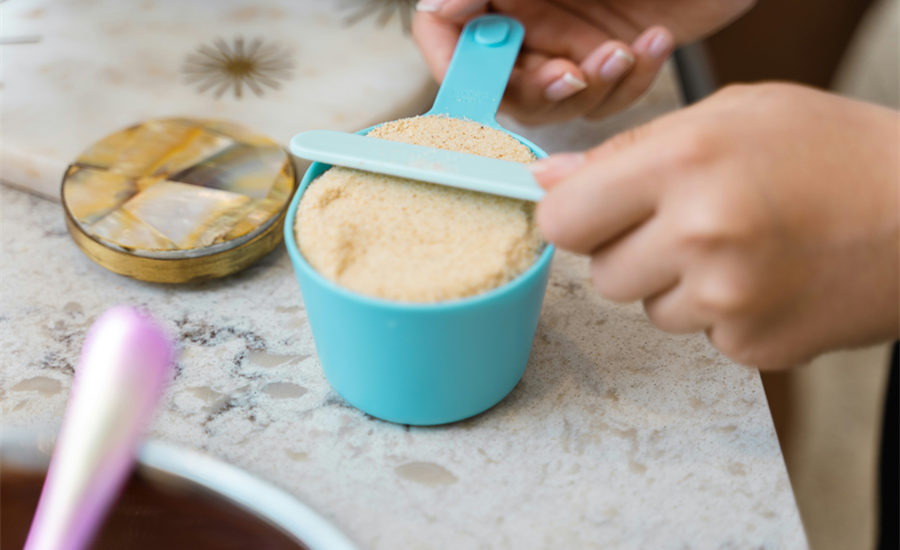
- Spoon and level flour instead of scooping it straight from the bag. Scooping can compact flour and give you more than you meant to use.
- Pay attention to packed ingredients. Brown sugar is a classic example. Packed and loosely filled are not the same thing.
- Use a digital kitchen scale when precision matters. Cakes, cookies, bread, pastry, and macarons all benefit from more accurate measuring.
- Check where the recipe comes from. U.S., Australian, and other recipe systems may not treat cups in exactly the same way.
- Keep a few key conversions in mind. If you bake often, memorizing flour, sugar, and butter can save time every week.
The goal is not to make cooking feel complicated. It is simply to make your measurements more dependable, especially when a recipe is sensitive to texture, moisture, or structure.
Conclusion
Cup to grams conversions become much easier once you remember one thing: the right answer depends on the ingredient. A cup of flour, sugar, butter, oats, and water may fill the same measuring cup, but they do not weigh the same.
That is why a clean conversion chart is so useful in everyday cooking and baking. It helps you move between recipe styles more confidently, make fewer measuring mistakes, and get more consistent results.
When precision matters most, grams are the easiest way to stay accurate. Until then, keeping a reliable cup to grams chart nearby is one of the simplest kitchen shortcuts you can have.