Coconut oil hair masks stay popular for a reason. They are simple, affordable, and can make dry hair feel softer and smoother when used the right way. The catch is that they do not suit every hair type equally well. A small amount can leave hair glossy and manageable, while too much can feel heavy fast.
This guide explains what a coconut oil hair mask can realistically do, who it tends to work best for, and how to use it in a way that feels helpful rather than greasy.
What Is a Coconut Oil Hair Mask?
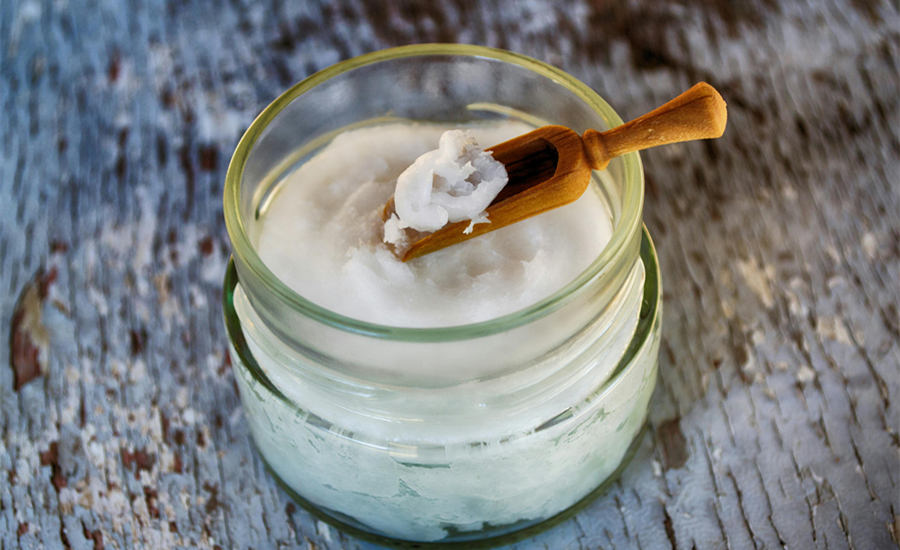
A coconut oil hair mask is a wash-out treatment made with coconut oil, either by itself or mixed with a few simple ingredients. It is meant to sit on the hair for a short time before shampooing, not to replace your regular conditioner or styling products.
Some people use only a little melted coconut oil on the mid-lengths and ends. Others like to mix it with ingredients such as honey, aloe vera, or avocado for a more nourishing feel. Either way, the point is the same: to give dry or rough hair a softer, smoother finish.
What a Coconut Oil Hair Mask Can Do for Your Hair
Help Dry Hair Feel Softer
If your hair feels rough, overwashed, or a little straw-like at the ends, a coconut oil hair mask may help it feel less brittle. This is one of the biggest reasons people reach for it in the first place. It can make dry lengths feel more flexible and less harsh to the touch.
That softer feel can be especially welcome after heat styling, coloring, or long stretches of dry weather. It is not the same as undoing all damage, but coconut oil has also been studied for its ability to help reduce protein loss in hair.
Smooth the Look of Frizz
Frizz often shows up when hair feels dry, raised, or uneven on the surface. Coconut oil can help the hair feel smoother, which may make flyaways less noticeable and leave the lengths looking calmer.
This is often where the mask feels most satisfying. Hair may not look dramatically different in every case, but it can look more polished and less puffy after a good wash day.
Improve Shine and Manageability
Sometimes the biggest benefit is simply that your hair behaves better. Softer hair usually tangles less, brushes more easily, and looks shinier through the lengths. That can make styling feel easier, especially if your ends are prone to dryness.
Offer a More Protective Feel for Stressed Hair
Hair that has been bleached, colored, heat-styled, or generally overworked often feels weaker than usual. Coconut oil is often used before washing because it can help the hair feel more protected and less rough afterward. That does not make it a miracle treatment, but it can be a useful part of a gentler routine.
Who Should Try a Coconut Oil Hair Mask?
A coconut oil hair mask usually makes the most sense for hair that is dry, thick, curly, coily, frizzy, or damaged. These hair types often handle richer treatments well, especially when the dryness shows up through the mid-lengths and ends.
It can also be a nice fit for anyone who wants a simple at-home treatment instead of buying a more expensive deep-conditioning mask. If your goal is softer hair, less roughness, and a little more shine, it is an easy place to start.
Fine or oily-prone hair can still use coconut oil, but the amount needs a lighter hand. In those cases, applying only a tiny amount to the driest parts of the hair usually works much better than coating everything from root to tip.
How to Use a Coconut Oil Hair Mask

Start Small
This step matters more than it seems. Coconut oil spreads farther than many people expect, so there is rarely a need to scoop out a large amount. Start with a teaspoon or so for fine or shorter hair, and increase only if your hair is long, thick, or very dry.
If the oil is solid, warm it between your hands until it softens. You want it easy to distribute, not dripping.
Focus on the Driest Areas
For most people, the best place to apply a coconut oil hair mask is from the mid-lengths down to the ends. That is usually where hair feels oldest, driest, and most fragile.
If your roots get oily quickly, skip the scalp and keep the product lower on the hair. If your scalp is dry and you already know heavier oils work well for you, you can apply a very small amount higher up, but it is still wise to be conservative.
Let It Sit, but Do Not Overdo It
You do not need an all-day ritual for a hair mask to be effective. For many people, 20 to 30 minutes is enough. If your hair is especially dry or stressed, you may prefer leaving it on for closer to an hour.
Longer is not automatically better. Sometimes a shorter treatment gives the softness you want without making washout more difficult.
Shampoo Well
The washout step is where the whole treatment either works beautifully or feels disappointing. Rinse thoroughly with warm water, then shampoo carefully. If your hair still feels coated, a second shampoo may help.
When a coconut oil hair mask feels too heavy, the issue is often the amount used rather than the idea itself. Using less next time usually gives a much better result.
Best DIY Coconut Oil Hair Mask Recipes
Coconut Oil Hair Mask for Dry Hair
What to use:
1 tablespoon coconut oil
1 tablespoon honey
How to use it:
Mix the ingredients until smooth, then apply from the mid-lengths to the ends. Leave it on for 20 to 30 minutes before shampooing. This version is a good choice when your hair feels rough, dry, or overcleansed.
Coconut Oil Hair Mask for Frizzy Hair
What to use:
1 tablespoon coconut oil
1 to 2 tablespoons aloe vera gel
How to use it:
Stir until blended and smooth a light layer through the lengths of the hair. Leave on for about 20 minutes, then rinse and shampoo. This mix feels especially nice when the hair looks puffy or lacks smoothness.
Coconut Oil Hair Mask for Damaged Hair
What to use:
1 tablespoon coconut oil
2 tablespoons mashed avocado
How to use it:
Blend into a creamy mixture and apply mostly to the driest, most stressed parts of the hair. Leave on for 20 to 30 minutes, then rinse well and shampoo. This one feels richer and suits hair that has been through frequent heat styling or coloring.
Coconut Oil Hair Mask for Dull Hair
What to use:
1 tablespoon coconut oil
1 tablespoon plain yogurt
How to use it:
Mix well, apply through the lengths, and leave it on for 15 to 20 minutes. Then rinse and shampoo. It is a simple option when your hair feels flat and you want a softer, shinier finish.
Common Mistakes to Avoid
Using Too Much
This is the most common mistake, and it explains most bad experiences with coconut oil hair masks. Too much oil can leave the hair greasy, limp, and hard to wash clean. Starting with less almost always gives a better result.
Putting It Everywhere
Not every part of your hair needs the same amount of product. If your scalp gets oily or your roots fall flat easily, applying the mask all over can make the whole style feel heavy. Keeping it focused on the dry areas usually looks and feels better.
Skipping a Proper Washout
A coconut oil hair mask should usually be rinsed and shampooed out well. If it stays sitting on the hair in a heavier layer, the result may feel coated instead of soft. That is why this treatment works best as a mask, not as a generous leave-in.
Expecting It to Fix Everything
A hair mask can improve softness, shine, and manageability, but it is not a cure for every hair concern. It will not erase split ends, reverse severe breakage overnight, or solve true scalp or hair-loss conditions. It works best when treated as one helpful step in a broader routine.
Coconut Oil Hair Mask FAQ
Should You Apply a Coconut Oil Hair Mask to Dry or Damp Hair?
Both can work. Dry hair often makes it easier to target the roughest areas and can feel a bit richer overall. Slightly damp hair may help you spread a thinner, lighter layer, which is helpful if you are trying to avoid buildup.
If your hair is thick, curly, or very dry, applying the mask to dry hair often feels more satisfying. If your hair is fine or easily weighed down, slightly damp hair may be the easier option.
How Often Should You Use a Coconut Oil Hair Mask?
That depends on your hair type and how your hair responds. Dry, curly, coily, or damaged hair may enjoy a mask about once a week. Finer or oilier hair often does better with less frequent use, such as every other week or just when the ends start feeling especially dry.
The best guide is your own result. If your hair feels softer and smoother, you are probably in a good range. If it starts feeling limp or greasy, pull back.
When Are Coconut Oil Hair Masks Not the Best Fit?
They are not ideal for everyone. Very fine hair, low-volume hair, or hair that gets oily quickly may find coconut oil too rich. Some people also simply prefer lighter products and do not like the feel of heavier oils at all.
If that sounds like your hair, it does not mean deep-conditioning is off the table. It may just mean a lighter mask is a better match.
Can I Leave a Coconut Oil Hair Mask On Overnight?
You can, but it is not always necessary. A shorter treatment often gives enough softness without creating extra washout work the next morning. If you do leave it on overnight, use a light amount and protect your pillow.
Is Coconut Oil Good for Curly Hair?
It can be a very good match for curly hair, especially when dryness shows up at the ends. Curly textures often tolerate richer treatments better than fine, straight hair does. The main thing is still using an amount that suits your density and wash routine.
Can Coconut Oil Make Hair Greasy?
Yes, easily, if you use too much or place it too close to the roots. That is why a lighter hand matters so much. Coconut oil often works best when it is used with intention instead of being piled on.
How Do I Wash Coconut Oil Out of My Hair?
Rinse thoroughly with warm water, then shampoo carefully. Some people need two rounds of shampoo, especially after a richer mask. If your hair still feels coated after drying, try using less the next time rather than giving up on the treatment completely.
Can I Use a Coconut Oil Hair Mask on Color-Treated Hair?
In many cases, yes. Color-treated hair often feels drier than usual, so a coconut oil mask can be appealing for softness and shine. It is still best to use a moderate amount and focus on the lengths rather than saturating the entire head.