Green tea can seem simple until you realize how different one cup can taste from another. Some styles are grassy and brisk, some are soft and nutty, and some lean sweet, savory, or floral. That variety is exactly what makes green tea worth exploring.
If you are trying to understand the main types of green tea, this guide breaks them down in a practical way. You will see what sets each style apart, how Chinese and Japanese green teas tend to differ, and which kinds are easiest to enjoy based on your taste.
What Makes Green Tea Different From Other Types of Tea?
Green tea comes from the same plant as black tea, white tea, and oolong tea: Camellia sinensis. The difference is in the processing. Green tea is heated early in production to stop heavy oxidation, which helps preserve its green color and fresher, lighter character.
That still leaves a lot of room for variation. Some green teas are steamed, which is common in Japan and often brings out brighter vegetal notes. Others are pan-fired, which is more common in China and often creates a smoother, nuttier, or toastier profile. Shading, roasting, blending, and leaf maturity can all shift the flavor too, which is why one green tea can taste completely different from another.
Types of Green Tea You Should Know
Green tea is not one flavor or one experience. It is a broad category shaped by origin, harvest style, processing method, and preparation. Knowing the main types makes it much easier to choose a tea that actually suits your taste instead of buying at random.
Sencha
Sencha is the most familiar Japanese green tea and often the clearest starting point for understanding the category. It is made from tea leaves grown in open sunlight, then steamed, rolled, and dried. That steaming helps preserve the vivid green color and the fresh, vegetal character many people associate with Japanese green tea.
In the cup, sencha usually tastes clean, lively, and lightly grassy, with some natural sweetness and a little astringency. Some versions are lighter and brisker, while others feel deeper and more savory. It is one of the easiest everyday green teas to recommend because it feels classic without being too intense.
Matcha
Matcha stands apart because it is powdered rather than steeped in the usual way. It is made from shade-grown leaves that are steamed, dried into tencha, and then ground into a fine powder. Instead of infusing the leaves and discarding them, you whisk the powder directly into water.
That gives matcha a thicker texture and a more concentrated flavor than most green teas. Good matcha can taste creamy, grassy, sweet, and distinctly umami-rich. Lower-grade matcha can taste sharper, which is why quality matters more here than with many loose-leaf teas. Matcha suits readers who want a fuller-bodied cup, a stronger green tea presence, or a tea that can work both on its own and in lattes or recipes.
Gyokuro
Gyokuro is a premium Japanese green tea made from leaves that are shaded before harvest. That shading period changes the leaf chemistry and helps create a sweeter, rounder, more umami-forward cup than standard sun-grown teas like sencha.
Gyokuro is known for depth rather than brightness. The flavor is often smooth, savory, slightly sweet, and concentrated, with the kind of richness people sometimes describe as broth-like. It is usually brewed at a lower temperature than everyday green tea, which helps keep it soft and layered instead of sharp. For readers who want a more luxurious or distinctly Japanese tea experience, gyokuro is one of the clearest examples.
Genmaicha
Genmaicha blends green tea with roasted rice, which immediately makes it feel warmer and more relaxed than many other green teas. The base is often sencha or bancha, while the toasted rice adds a nutty, comforting aroma.
That combination gives genmaicha a mellow, easygoing profile. It is usually less sharp than grassy green teas and often feels gentler for people who are sensitive to bitterness. If someone wants a green tea that is cozy, approachable, and easy to drink regularly, genmaicha is often one of the best choices.
Hojicha
Hojicha is unusual because it is roasted after processing. That roasting changes both the color and the flavor, shifting the tea away from fresh vegetal notes and toward toast, wood, nuts, and a soft caramel-like warmth.
The result is mellow and comforting rather than brisk. Hojicha is often made from more mature leaves or tea material like bancha, so it usually feels gentler than high-intensity styles like matcha or gyokuro. It is a strong option for readers who think they do not like green tea because most green teas taste too grassy or sharp.
Dragon Well (Longjing)
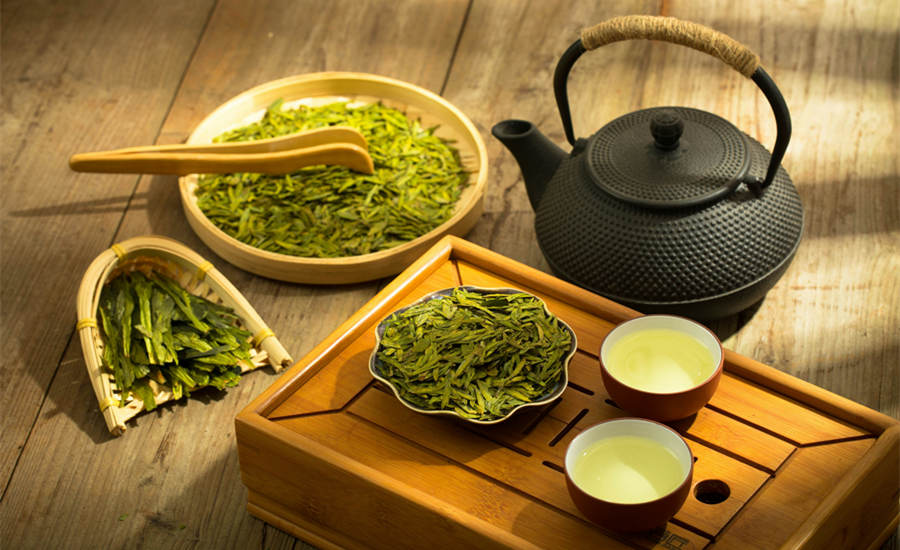
Dragon Well, also called Longjing, is one of the best-known Chinese green teas. It is traditionally pan-fired, and that helps create a smoother, rounder profile than many steamed Japanese green teas.
A good Dragon Well often tastes soft, mellow, and slightly nutty, with a clean finish and a more understated character than vividly vegetal teas. It is a useful tea to try if you want to understand how different Chinese green tea can feel from Japanese styles. It still tastes fresh, but in a quieter, more polished way.
Gunpowder Green Tea
Gunpowder green tea is named for the way the leaves are rolled into small pellets. Those tightly rolled leaves slowly open in hot water, and the tea often brews with a firmer, more assertive character than delicate loose-leaf greens.
Compared with softer styles, gunpowder can feel brisker and more robust. That makes it useful for readers who want a stronger green tea rather than something subtle or floral. It is not usually the gentlest style on the list, but it has a very recognizable structure in the cup.
Biluochun
Biluochun is a Chinese green tea known for its delicate, curled leaves and more aromatic personality. It is often appreciated for finesse rather than strength.
In general, Biluochun tends to feel lighter and more fragrant than bolder green teas. Many drinkers notice a softer, fresher profile that can come across as floral or gently fruity. It is a good fit for readers who want green tea to feel refined and expressive instead of roasted or forceful.
Jasmine Green Tea
Jasmine green tea is usually green tea that has been scented with jasmine during production. It is not a separate tea plant or processing tradition in the same sense as sencha or Longjing, but it is one of the most popular ways green tea is enjoyed.
When it is well made, the jasmine lifts the tea without hiding it completely. The result is floral, soft, and inviting, which is why jasmine green tea is often an easy entry point for casual drinkers. If plain green tea feels too grassy or austere, jasmine green tea can feel more immediately welcoming.
Bancha
Bancha is a Japanese green tea generally made from more mature leaves than sencha. It is less delicate, less umami-heavy, and more straightforward in character, which is part of why it is often treated as an everyday household tea rather than a special-occasion tea.
The flavor is usually mild, simple, and lightly vegetal. It does not have the concentrated sweetness of gyokuro or the intensity of matcha, but that is also its appeal. Bancha works well for readers who want a plain, practical green tea they can drink often without overthinking it.
Chinese vs Japanese Green Tea: What Is the Difference?
One of the easiest ways to make sense of green tea is to separate it into two broad traditions. Chinese green teas are often pan-fired, which tends to bring out smoother, nuttier, toastier notes. Japanese green teas are commonly steamed, which usually preserves brighter vegetal character and more vivid grassy or umami-like notes.
That does not mean every Chinese green tea tastes nutty or every Japanese green tea tastes marine. There is plenty of overlap and range within both traditions. Still, this comparison is helpful for beginners because it explains why Dragon Well and sencha can both be green tea while tasting so different in the cup.
How to Choose the Right Green Tea for Your Taste
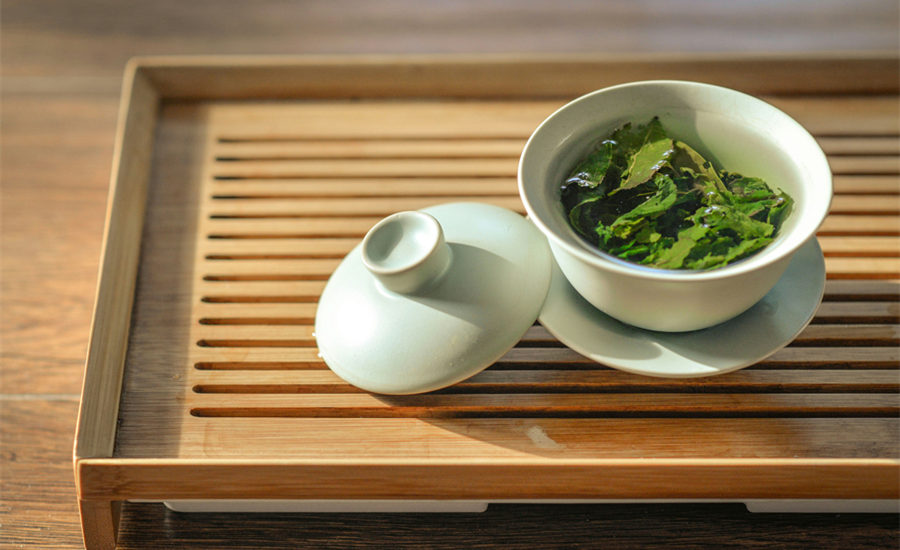
The easiest way to choose green tea is to think about the kind of flavor you actually enjoy. For a classic everyday cup, sencha is a reliable place to start. For something gentler and toastier, hojicha and genmaicha are often easier to love right away. If you want more intensity, matcha and gyokuro are stronger choices. If you prefer something softer and more floral, jasmine green tea may be a better fit than a sharper vegetal tea.
This matters because there is no single best green tea for everyone. A tea that feels complex and beautiful to one person can feel too grassy, too savory, or too strong to someone else. It is much easier to find a favorite when you start with flavor preference instead of prestige.
FAQ
What are the main types of green tea?
Some of the best-known types are sencha, matcha, gyokuro, genmaicha, hojicha, Dragon Well, gunpowder green tea, Biluochun, jasmine green tea, and bancha. They differ by origin, processing style, leaf maturity, and overall flavor profile.
Which green tea tastes the least bitter?
Hojicha and genmaicha are often among the gentlest choices. Dragon Well can also feel smoother than sharper green teas. Brewing matters here too, because even a mild green tea can become bitter if the water is too hot or the steep is too long.
What type of green tea has the most caffeine?
Matcha and gyokuro are often treated as higher-caffeine green tea options. Matcha stands out because you consume the powdered leaf itself rather than drinking only an infusion. Exact caffeine levels still vary by brand, quality, and brewing method.
Is jasmine tea a green tea?
Often, yes. Jasmine tea is commonly made with a green tea base, which is why jasmine green tea is so widespread. Still, jasmine can also be paired with other tea bases, so the name alone does not always guarantee it is green tea.
What is the healthiest type of green tea?
There is no single healthiest type for everyone. Matcha is often highlighted because you consume the whole leaf in powdered form, but the better question is which tea you enjoy drinking regularly. A green tea that fits naturally into your routine is usually more useful than chasing one perfect answer.
Is matcha the same as green tea?
Matcha is a type of green tea, but green tea is a much wider category. Not all green tea is matcha. Matcha is one specific style made from finely ground tea leaves whisked directly into water.
Which types of green tea have more or less caffeine?
In general, matcha and gyokuro tend to be higher, sencha and many Chinese green teas sit more in the middle, and hojicha, bancha, and genmaicha are often gentler. Preparation still changes the result, though, because more leaf, hotter water, and longer contact can all affect what ends up in the cup.
How do you brew different types of green tea without making them bitter?
Green tea usually benefits from cooler water than black tea. Delicate styles, especially Japanese ones, often taste better when brewed below boiling with shorter steep times. Gyokuro is commonly brewed at especially low temperatures, while matcha is whisked rather than steeped.
Which type of green tea is best for everyday drinking?
Sencha, bancha, and genmaicha are all strong everyday choices. They are approachable, practical, and easy to keep coming back to. If you want something more distinctive or ceremonial, matcha, gyokuro, or a premium Dragon Well may feel better for slower moments.